Compare & Contrast Essay


Herbs and Medicines

Medicinal plants or herbs have been an alternative medicine since ancient times. People living in rural areas uses this kinds of herbs to cure for their illness or diseases. Usually these herbs can be easily found in their area because they are the ones who plant and grow these herbs. Herbs are relatively a lot cheaper than pharmaceutical drugs.

Today I will compare and contrast medicinal plants and pharmaceutical drugs. Based from their effectivity, price range and availability to the society.

Medicinal plants have been identified and used throughout human history. Plants make many chemical compounds for biological functions. Including defence against insects, fungi and herbivorous mammals. Over 12,000 active compounds are known to science. These chemicals work on the human body in exactly the same way as pharmaceutical drugs, so herbal medicines can be beneficial and have harmful side effects just like conventional drugs. However, since a single plant may contain many substances, the effects of taking a plant medicine can be complex. Herbs are widely used to treat disease in non-industrialized societies, not least because they are far cheaper than modern medicines (Wikipedia (2017, Feb. 17) “Medicinal plants” Retrieved from: https://en.wikipedia.org)

A pharmaceutical drug is a drug used to diagnose, cure, treat, or prevent disease. Drug therapy (pharmacotherapy) is an important part of the medical field and relies on the science of pharmacology for continual advancement and on pharmacy for appropriate management. (Wikipedia (2017, Feb. 10) “Pharmaceutical drug” Retrieved from: https://en.wikipedia.org)

Pharmaceutical drug are the basic component of modern and traditional medicine. It is important that the pharmacist ensures their products safety, effectivity and good quality.

The effectiveness of all medicinal plants have not yet been tried and tested by medicine specialists, but some herbs have been of use to the community since ages. According to clinical trials demonstrated in 2010, potentially useful activity in nearly 36% of herbal medicines; another 12% had effectively never been studied scientifically.

Drug use among elderly Americans has been studied; in a group of 2377 people with average age of 71 surveyed between 2005 and 2006, 84% took at least one prescription drug, 44% took at least one over-the-counter drug, and 52% took at least one dietary supplement; in a group of 2245 elderly Americans (average age of 71) surveyed over the period 2010 – 2011, those percentages were 88%, 38%, and 64%. (Wikipedia)

Herbs has a fewer side effects due to its natural and balanced components. While pharmaceutical medicines are processed herbs with added other ingredients. One must be very careful if they will plant herbs because it can alter its effectiveness. Wrong development of medicinal herbs can give you bad side-effects or even cause your death. It can also be dangerous during pregnancy that’s why pharmaceutical drugs is more recommended.

Though pharmaceutical drugs are a lot expensive, it is a lot safer because it is proven and tested by drug specialists. Just be careful of unapproved drugs and follow its prescribed dosage intake. I would rather spend a lot of money in medicine than to risk my health while saving my money.


Week 10: Definition & Description Essay

Green Tea    

      green-tea-weight-loss

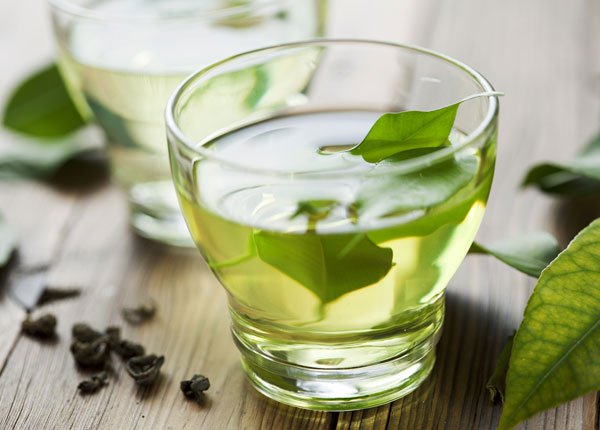
A cup of hot green tea with fresh whole green tea leaves. Drinking a cup of green tea can help you lose weight.  (Kraft, Sheryl (2015, June 29) “How to Drink Green Tea for Weight Loss”  Retrieved from http://www.healthywomen.org)

Green tea is a type of tea that is made from Camellia sinensis leaves or commonly known as “tea plant”, “tea shrub”, and “tea tree”. Green tea originated from China and is very popular to many countries in Asia.

Tea consumption has its legendary origins in China during the reign of Emperor Shennong. A book written by Lu Yu in 600-900 AD (Tang Dynasty), “Tea Classic” (simplified Chinese: 茶经; traditional Chinese: 茶經; pinyin: chájīng), is considered important in green tea history. The Kissa Yojoki (喫茶養生記 Book of Tea), written by Zen priest Eisai in 1191, describes how drinking green tea may affect five vital organs, the shapes of tea plants, flowers and leaves, and how to grow and process tea leaves. (Wikipedia (2017, Feb. 4) “Green Tea” Retrieved from: https://en.wikipedia.org)

Green tea has been used as a medicine for thousands of years, that’s why it is called the healthiest beverage on the planet. It is filled with antioxidants and nutrients that have a very powerful effects on our body. This beverage has multitude of uses from lowering blood pressure to preventing cancer. Green tea also improves brain functions, fat loss, lowers cancer risk and many other incredible benefits.

The reason that green tea has more health benefits attached to it than black tea is (apparently) due to the processing. Black tea is processed in a way that allows for fermentation whereas green tea’s processing avoids the fermentation process. As a result, green tea retains maximum amount of antioxidants and poly-phenols the substances that give green tea its many benefits. (Conlon, Ciara 11 Benefits of Green Tea that you didn’t know About. Retrieved from: http://www.lifehack.org)

diet-nutrition_nutrition_discover-matcha-tea_2716x1810_000055981922.jpg

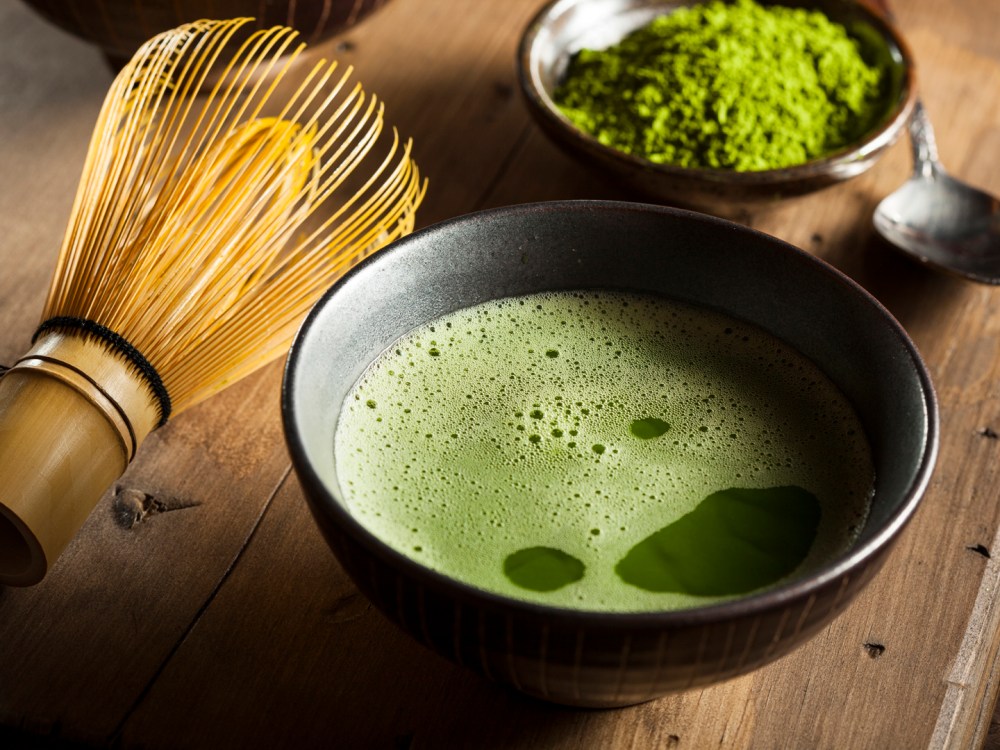
Matcha or “Powdered tea”. Blended and powdered nicely in a bowl. The rich green color is very vibrant and appetizing to drink. (Dr. Weil, Andrew “Discover Matcha Tea” Retrieved from: http://www.drweil.com)

The finely ground powder and processed form of Green tea is called “Matcha”. Matcha tea is whisked with hot water in a bowl to make a frothy beverage of the same name. It is the only form of tea in which the whole leaf is consumed. These high quality leaves are treated with great care that’s why it gives more of the healthful elements of the green tea than other forms.

A long standing tradition of Japanese culture, Matcha Green Tea is the highest quality powdered green tea available. Made from the nutrient-rich young leaves picked from the tips of shade-grown Camellia sinensis plants, Matcha Green Tea is steamed, stemmed, and de-vined before being stone-ground into very fine powder. Matcha Green Tea powder is then stored away from light and oxygen in order to preserve its brilliant green color and antioxidant properties. This miracle elixir has been consumed for over a millennium in the Far East, and is now considered to be one of the most powerful super foods on the market today. (Admin (2013, Aug. 20) “10 Amazing Benefits of Matcha GreenTea” Retrived from: http://www.naturallivingideas.com)

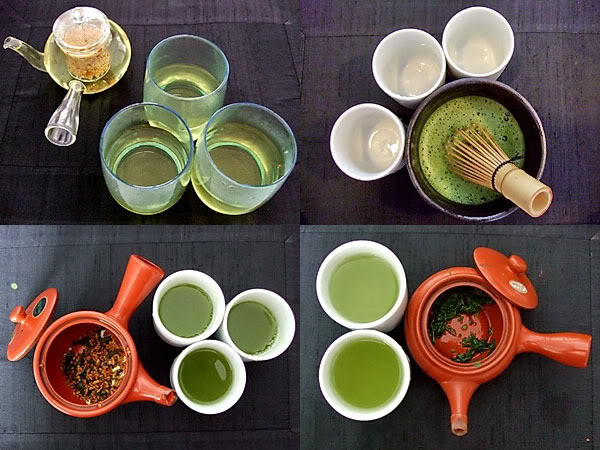
540768-different-types-of-japanese-green-tea-say-green-for-the-beverage.jpg

To enjoy drinking Matcha or Green tea more here are the other types of preparing it. You prepare its leaves in whole form, grounded or powdered. Its color varies from the way you blend it as well. (culinary.explorer “What Are The Different Types Of Japanese Green Tea?”
Retrieved from: http://ifood.tv)

The healthful benefits of drinking Matcha includes: Strengthens immune system, High in Antioxidant, Enhances Calm, Boosts memory & concentration, Increses Energy levels and endurance and many more.

Matcha has superior potential health benefits as compared to other green teas. According to a popular adage, there is special etiquette which is followed in Japan while drinking this tea .i.e. ‘if you drink matcha with your back straight, the pleasure of the experience would double’.   Matcha is the only tea in which the entire tea leaf is dissolved in the water providing the maximum benefits of natural components present in the matcha tea. Chlorophyll present in matcha assists in wound-healing and also exerts anti-inflammatory actions. Apart from these, matcha possesses anti-aging properties, helps in keeping the blood pressure low, provides relief from constipation, stimulates the mood and helps create a feeling of overall wellbeing.  (“Health Benefits of Matcha Tea” Retrieved from: https://www.organicfacts.net)